Connecting Live Poker Sessions to On-Site Menu Choices and Player Protection Guidelines During Late-Night Operations
Geschrieben von Rosa Meier · 7.10.2026
Connecting Live Poker Sessions to On-Site Menu Choices and Player Protection Guidelines During Late-Night Operations
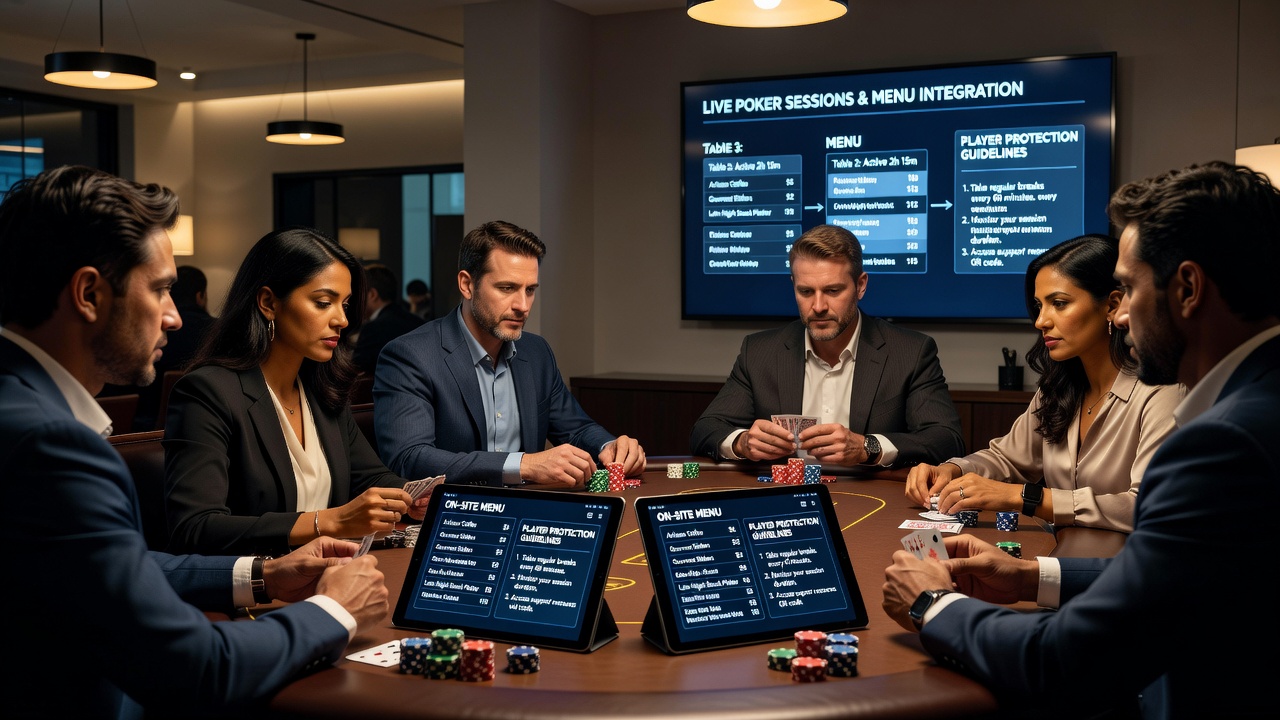
Live poker sessions frequently stretch across multiple hours into the night, and operators link these extended periods to curated on-site menu selections that emphasize sustained energy alongside player protection measures such as session reminders and alcohol service limits. Research from the American Gaming Association shows that venues coordinate food offerings with game pacing so participants receive options like protein-rich plates and non-alcoholic beverages at regular intervals, while guidelines from regulatory bodies require staff to monitor for signs of fatigue or distress during late operations.
Live Poker Session Dynamics in Extended Hours
Poker tables operate under structured schedules where dealers rotate every thirty minutes, and participants receive notifications about time spent at the table through digital displays integrated with venue systems. Data from multiple state gaming commissions indicates that sessions starting after 8 PM often see increased demand for quick-service items, prompting kitchens to prepare pre-portioned meals that align with game breaks. Observers note that these connections help maintain consistent play flow, whereas venues track participation metrics to adjust staffing levels accordingly.
In October 2026, several North American properties reported adjustments to menu availability based on session length analytics, with systems automatically suggesting lighter fare options after three hours of continuous play. Such practices draw from industry reports that connect player retention patterns to nutritional support during overnight tournaments.
On-Site Menu Choices and Their Role in Session Support
Menu engineering at casino venues prioritizes items that support cognitive endurance, including grilled proteins, vegetable sides, and complex carbohydrate options, while limiting high-sugar desserts during peak late-night periods. Figures from venue operations reveal that poker areas account for a measurable portion of food orders between midnight and 4 AM, leading operators to position mobile service stations near high-traffic tables. These choices integrate with protection protocols because staff receive training to offer water or coffee refills alongside game updates, creating a coordinated environment where nutrition and oversight operate together.
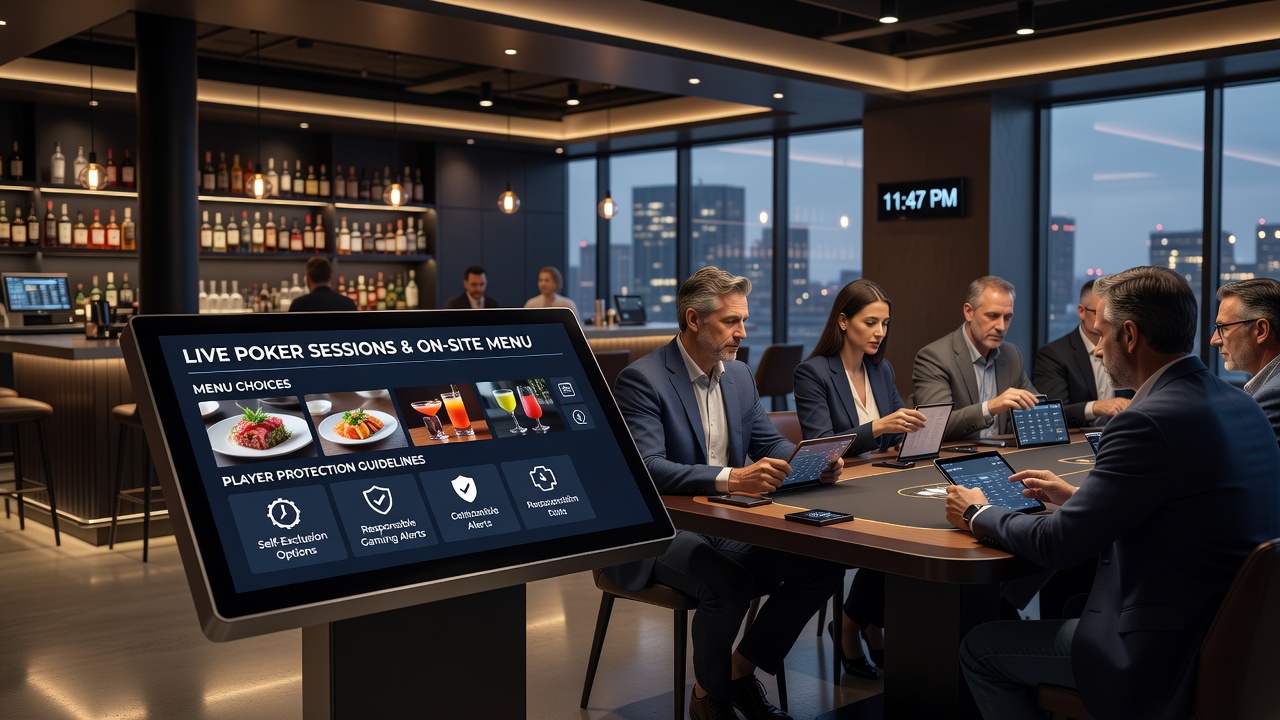
One study conducted by the Australian Gambling Research Centre found that venues offering timed menu prompts experienced measurable differences in reported player comfort levels during extended sessions. Operators therefore maintain digital ordering interfaces that display both meal selections and responsible gaming messages, ensuring that nutritional decisions occur within the same framework as session management tools.
Player Protection Guidelines During Night Operations
Regulatory frameworks from bodies such as the Nevada Gaming Control Board and the Victorian Commission for Gambling and Liquor Regulation require casinos to implement real-time monitoring systems that flag prolonged play and trigger interventions. These guidelines specify that staff must offer breaks, provide information on support resources, and restrict alcohol service when certain thresholds are met, all while menu services continue uninterrupted for those who remain at tables. Venues document these interactions to demonstrate compliance, and data logs show correlations between protection activations and menu order modifications, such as shifts toward non-alcoholic selections.
What's interesting is how integrated software platforms now connect table management software with kitchen order systems, allowing automatic adjustments when protection flags activate. This setup ensures that players receive appropriate options without separate staff coordination, and records from October 2026 operations confirm consistent application across multiple properties.
Integration of Elements in Late-Night Casino Environments
Venues combine poker operations, menu logistics, and protection protocols through centralized command centers that receive inputs from table sensors, order tablets, and staff observations. Such coordination allows for immediate responses, for instance when a player declines food after several hours, prompting a gentle check-in aligned with established guidelines. Industry organizations including the Responsible Gambling Council have documented these multi-layered approaches in reports that emphasize seamless service delivery rather than isolated measures.
External data from the Canadian Centre on Substance Use and Addiction highlights that late-night protocols incorporating food timing reduce the frequency of certain risk indicators across participating sites. Operators therefore schedule menu rotations that complement protection check intervals, creating an environment where each component reinforces the others without disrupting game continuity.
Conclusion
Connections between live poker sessions, on-site menu selections, and player protection guidelines form an operational framework that gaming venues maintain through technology and staff training during late-night hours. Evidence from regulatory reports and industry analyses demonstrates that these elements function together to support both game flow and compliance requirements. As properties continue to refine these systems in periods such as October 2026, the emphasis remains on coordinated delivery that aligns nutritional options with oversight practices across extended operations.