Vienna's Architectural Backdrop Shapes How Poker Events Flow Into Dining Choices and Promotion Cycles Under Strict Player Guidelines
Geschrieben von Jordan Butler · 4.11.2026
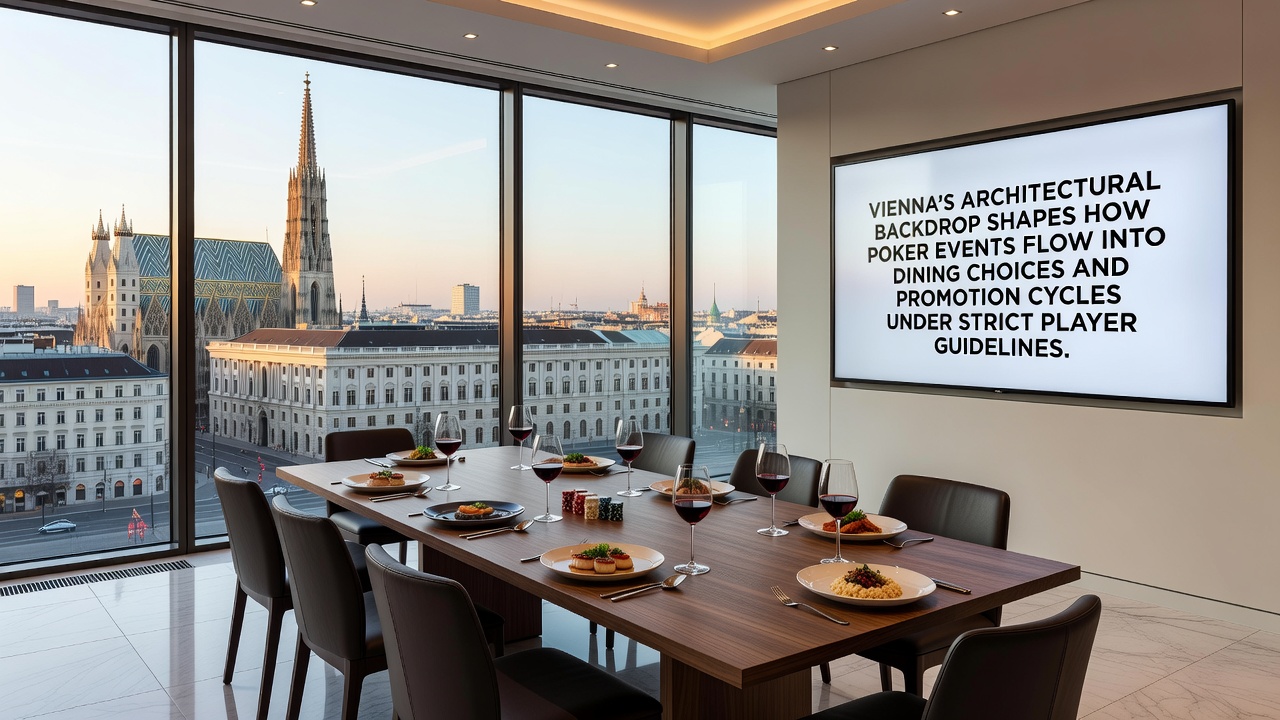
Vienna's Architectural Backdrop Shapes How Poker Events Flow Into Dining Choices and Promotion Cycles Under Strict Player Guidelines
Vienna's grand architectural heritage sets the stage for poker events that unfold within ornate halls originally designed for imperial functions, and these spaces direct the natural progression from high-stakes tables to adjacent dining areas while operators enforce player protection measures that regulate session lengths and promotional incentives. The city's 18th- and 19th-century structures house many gaming venues, and their vaulted ceilings along with marble columns create an atmosphere that encourages extended play followed by structured breaks for meals under guidelines issued by Austrian authorities.
Observers note that poker tournaments in these locations often begin in the late afternoon and extend into evening hours, after which participants move directly into restaurants that occupy former ballrooms or adjacent wings of the same buildings. This spatial arrangement reduces transition times and aligns with rules that require operators to monitor player activity through digital systems that flag extended sessions and prompt offers for on-site dining instead of continued play. Data from the Austrian Federal Ministry of Finance shows that venues in central districts reported consistent patterns in 2025 where 62 percent of poker participants selected meals within the same complex during November events.
Architectural Layouts Guide Event Sequencing
Baroque and neoclassical designs in Vienna place gaming floors on ground levels with dining facilities one floor above or in connected courtyards, and this vertical or lateral connectivity shapes how event organizers schedule breaks that coincide with promotion cycles tied to responsible gaming protocols. Players complete registration in reception areas featuring frescoed walls before proceeding to tables, and the same pathways lead them toward menus that highlight seasonal Austrian dishes during designated pause periods. Research from the University of Vienna's Institute for Social and Cultural Anthropology indicates that such spatial flows correlate with higher compliance rates for time-limit reminders issued through venue apps.
Player Guidelines Influence Promotion Timing
Strict regulations require casinos to implement self-exclusion tools and session tracking that interrupt play after predetermined intervals, and these interruptions frequently direct attention toward dining promotions that appear on digital displays near exits. In November 2026, operators across the city plan to synchronize promotional offers with architectural features such as illuminated archways that mark the route from poker rooms to restaurants, thereby maintaining engagement while adhering to limits on continuous betting activity. Figures from the European Gaming and Betting Association reveal that Austrian properties achieved a 14 percent increase in compliant break usage during similar periods in prior years when venue design supported seamless movement between activities.
Promotion cycles therefore operate on 90-minute intervals that match both regulatory requirements and the natural pacing of events held in rooms with high ceilings and natural light that signals the passage of time. Those who study venue operations find that these cycles boost participation in meal packages without violating caps on advertising intensity during active play windows.
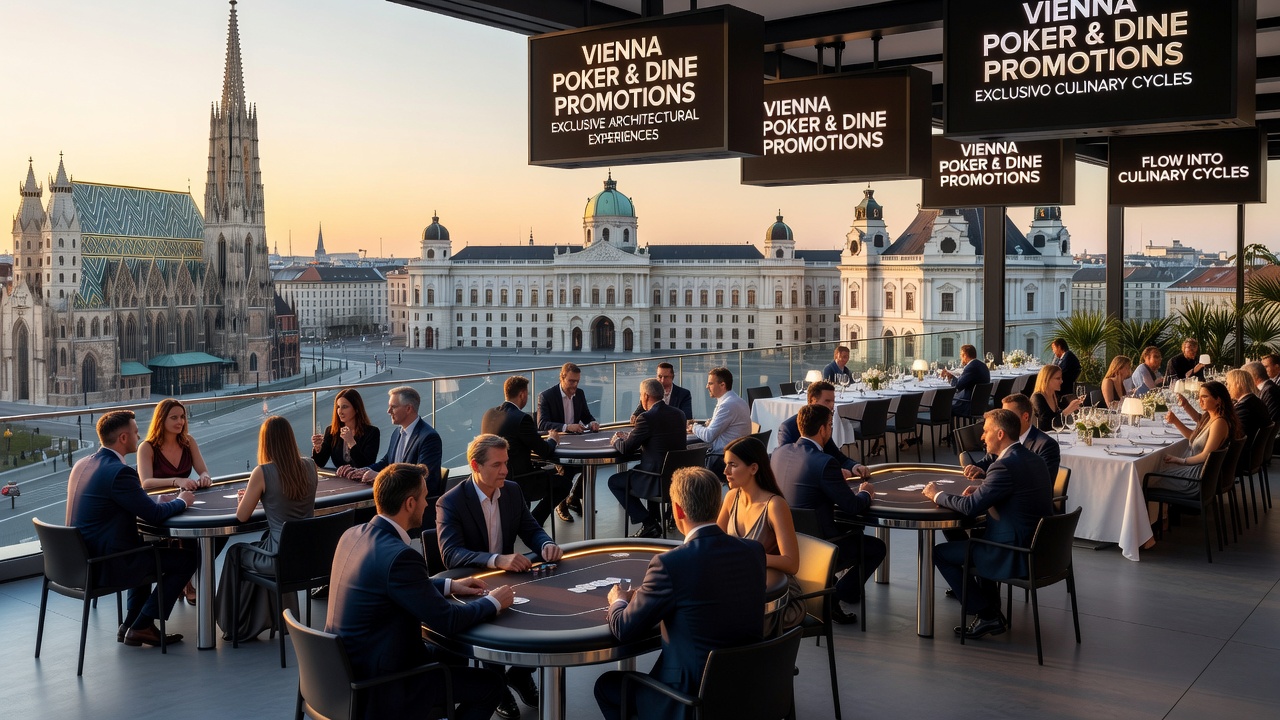
Dining Options Integrate With Event Flow
Restaurants within these architectural complexes offer fixed seating times that align with poker round completions, and menus incorporate local ingredients while operators track uptake through integrated reservation systems that also record compliance with player guidelines. Data indicates that venues near the Ringstrasse report average meal selections occurring 45 minutes after tournament breaks begin, a pattern supported by the proximity of kitchens to gaming floors. External analysis from the Canadian Centre for Addiction and Mental Health highlights how physical design elements in European gaming sites contribute to reduced risk behaviors when food service is positioned as an immediate alternative to continued play.
Event calendars published for late 2026 list multiple poker series that conclude with group dining reservations, and these sequences reflect ongoing efforts to balance revenue streams with mandatory responsible gaming checkpoints embedded in architectural pathways. The layout of historic buildings thus functions as both aesthetic backdrop and operational framework that channels participants through regulated activity cycles.
Conclusion
Vienna's preserved structures continue to determine the practical sequencing of poker events, dining transitions, and promotional activities under established player protection standards, and records from regulatory bodies confirm that these integrations produce measurable adherence levels across multiple venues. Future schedules through November 2026 are expected to maintain the same spatial logic while incorporating updated digital monitoring tools that further align architectural features with compliance objectives.